
How digHuman works
From Shared Knowledge to a Real-World Project
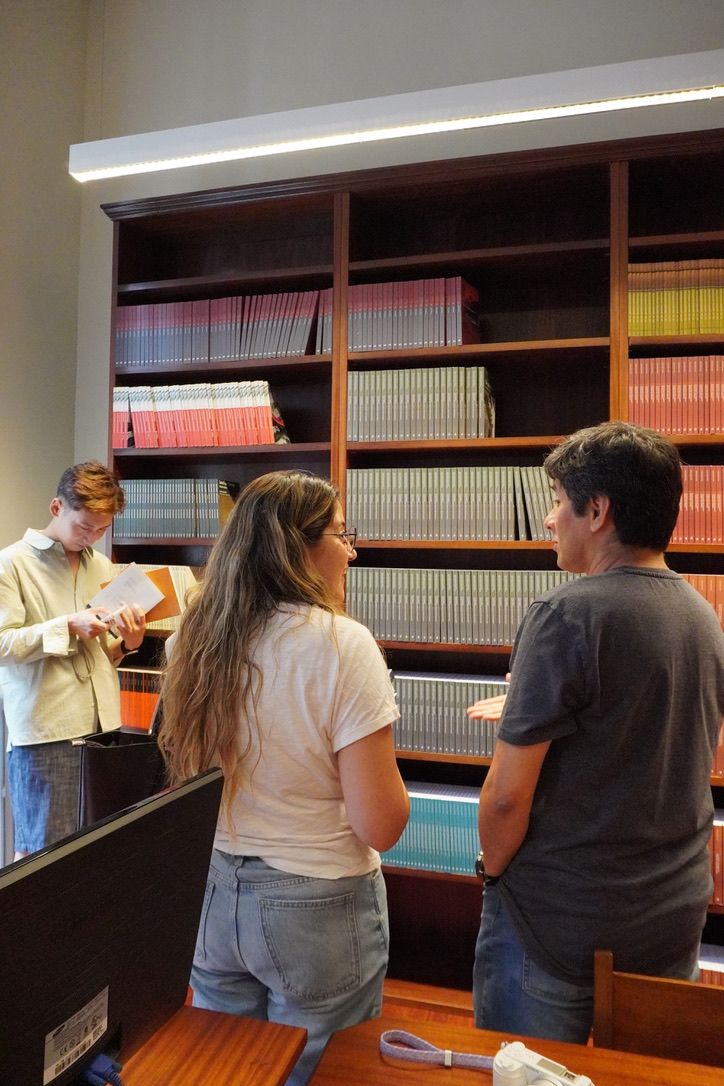
The programme is designed as a connected learning journey rather than as two separate teaching periods.
Students begin online, where they build a common foundation and start collaborating in international teams. They then meet during an intensive on-site week to turn their initial ideas into developed project proposals.
Phase 1
Online learning
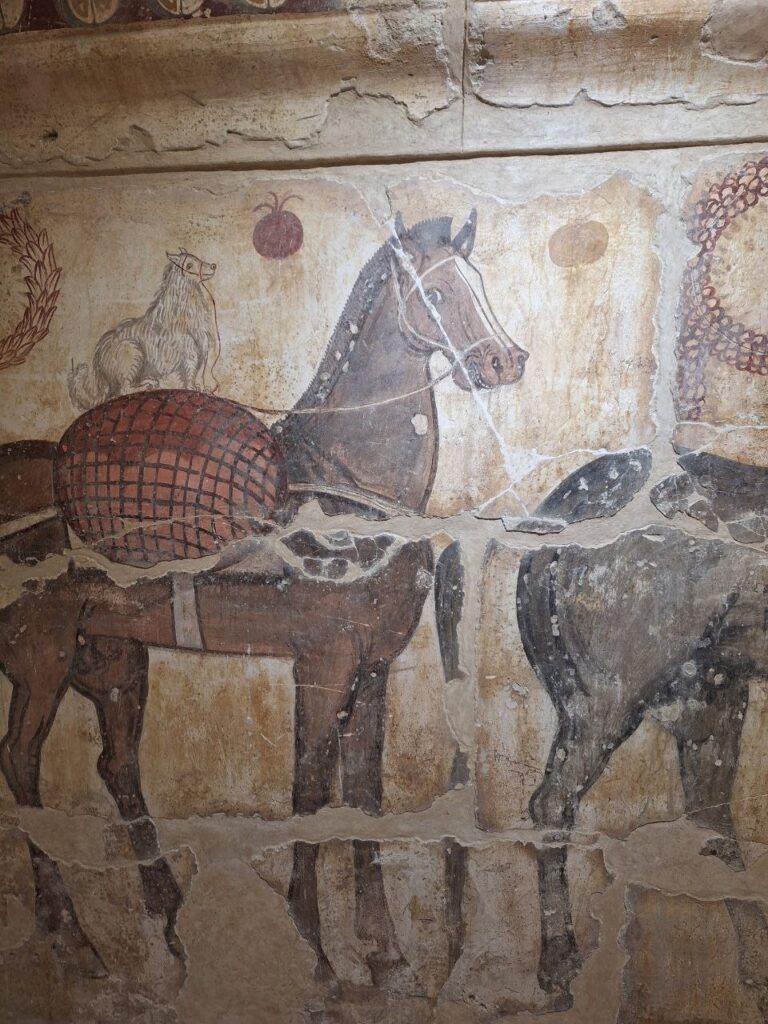
During the virtual phase, academics from the three partner universities introduce students to the concepts, methods and tools that will support their final projects.
Although individual sessions may evolve from one edition to another, the programme brings together areas including:
Digital Humanities
Understanding the interdisciplinary relationship between Humanities, digital culture, computation and cultural heritage.
Project Development and Management
Information Management and Communication
Generative Artificial Intelligence
Exploring generative technologies for text, images and digital communication while developing a critical understanding of their possibilities, limitations and ethical implications.
Challenge Development
International Teamwork
Students are organised into interdisciplinary and international teams.
This diversity is central to digHuman. A student with a technical background may approach the same problem differently from someone studying Humanities, Communication, Robotics or Information Science.
Teams are encouraged to use those differences constructively, combining skills and perspectives rather than dividing work according to discipline.
Before the on-site week, each team develops an initial project concept and receives feedback from the teaching staff.
Phase 2
On-site Intensive Week
From Ideas to Projects.
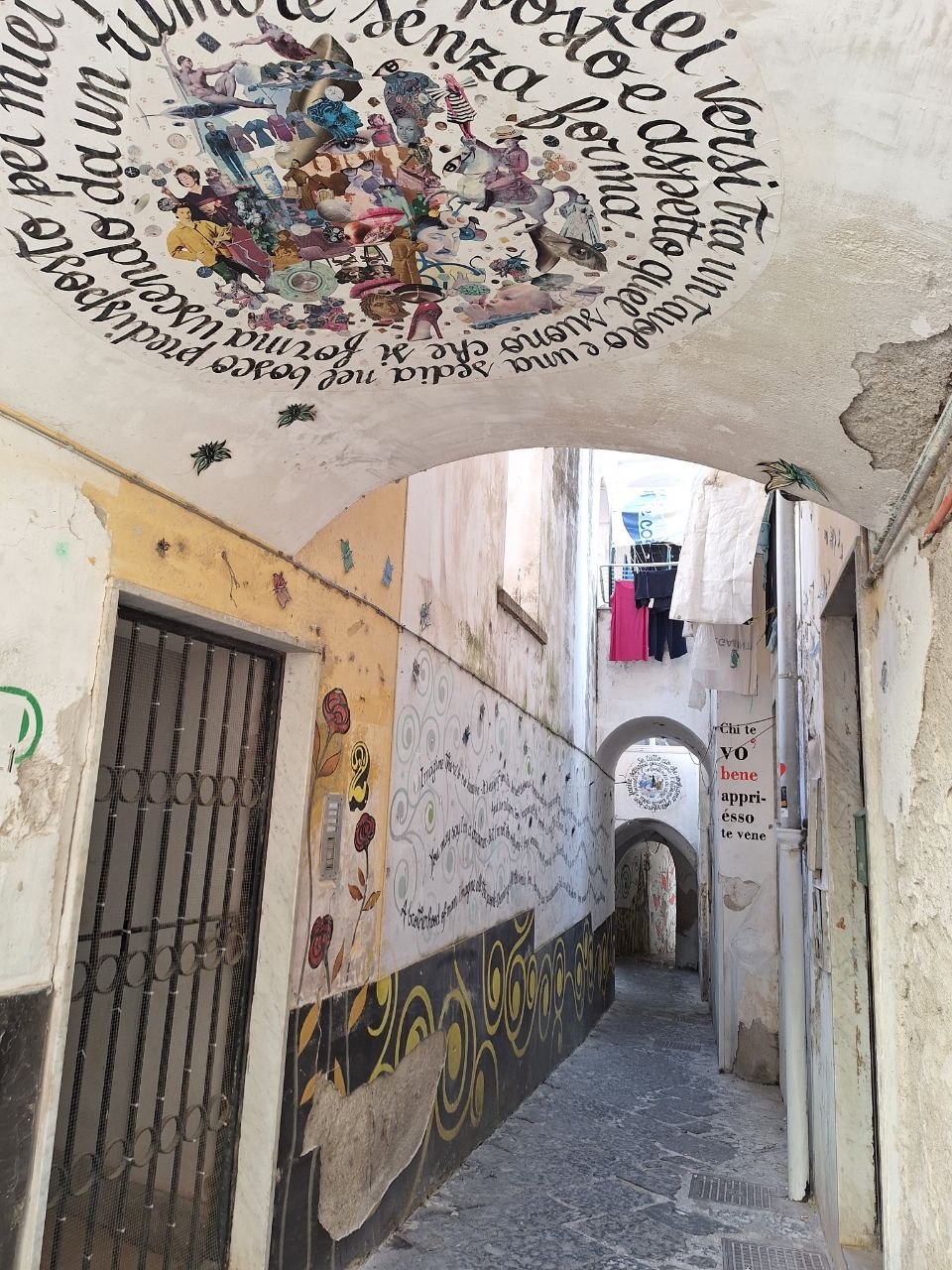
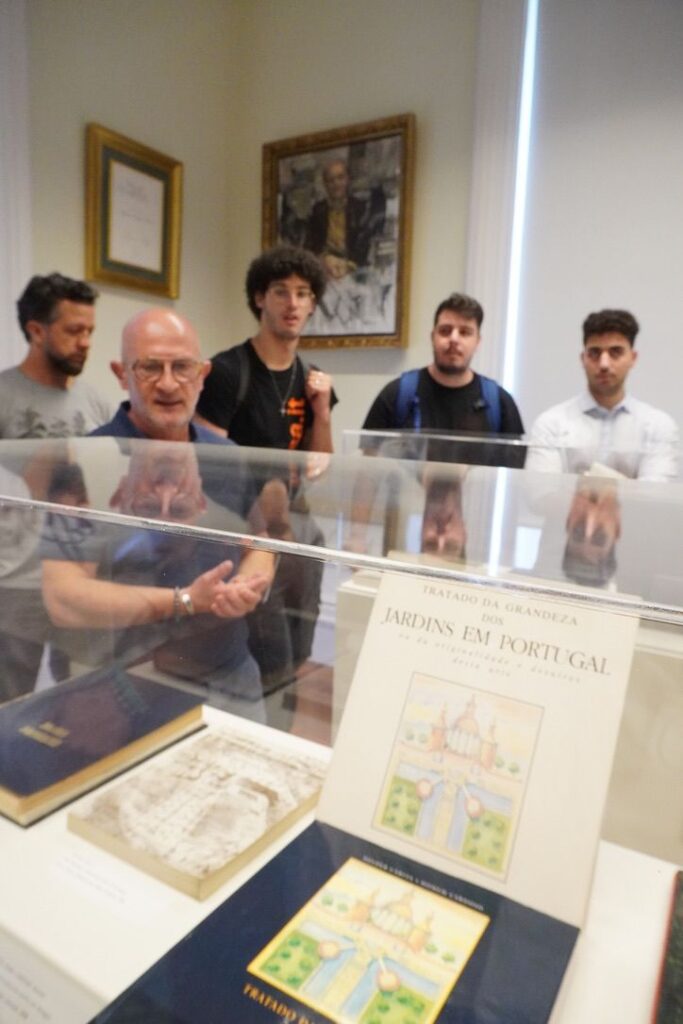
The physical mobility period takes place at the university hosting that year’s edition.
During the week, students:
- Meet their international teams face to face
- Visit and engage with the collaborating cultural organisation
- Investigate the challenge in its real context
- Validate assumptions and refine their proposals
- Develop prototypes, communication materials or other project outputs
- Receive feedback from academics and stakeholders
- Present their final proposals
- Take part in cultural and social activities connected to the host city
Designed for Real Audiences
Final Projects
The final output is not conceived purely as an academic exercise.
Each team develops a proposal responding to the needs of the collaborating organisation and its audiences. Depending on the challenge, projects may include digital communication concepts, prototypes, visual materials, multimedia narratives, digital services or dissemination strategies.
Students present their proposals at the end of the intensive week to teaching staff and representatives of the collaborating organisation.
Credits
6 ECTS
Successful participation in digHuman corresponds to 6 ECTS credits.
Recognition within individual degree programmes is subject to the academic regulations of each participating university.